Cloud Computing Course South Australia

This Cloud Computing course is eligible for South Australian Government subsidised training. Participant Eligibility Criteria apply. Current Enrolment Period Closes: 30th of September 2026

ICT50220 Diploma of Information Technology
(Cloud Engineer & Cloud Architecture)

EQC Institute offers Cloud Computing (Engineering and Architecture) courses in South Australia, where you will develop practical skills in designing, building and managing cloud-based systems for real-world business applications.

Course Description

The ICT50220 Diploma of Information Technology (Cloud Engineering & Cloud Architecture) is a nationally recognised cyber security course that immerses you in the dynamic field of digital protection. You can begin this cyber security course with no prior experience and learn in a practical, industry focused way, that gets you ready to start working in the industry. You’ll learn essential cyber security skills, such as countering phishing threats and securing network systems as well as cloud security and penetration testing.

SA Government Subsidised Training and No Up-front Fees

For eligible students the usual course fee of $5230 will be reduced to a Participant Course Fee of $552.50 (Non-Concession) or $552.50 (Concession). The remaining cost of your training is subsidised by the South Australian Government. The South Australian Government sets a minimum Participant Course Fee that also applies to concession card holders, so the fee is the same for standard and concession students. Participant Eligibility Criteria apply. Supported by Government of South Australia.

Eligible students can pay no fees upfront by deferring the payment to a VET Student Loan. This means the $552.50 Participant Course Fee can be deferred and paid out of your take home salary once you meet the income threshold. See below for more information. Course fees paid direct are done so on a monthly cycle.

Non-Subsidised Full Fee: $5230
Non-Concession Subsidised Fee: $552.50
Concession Subsidised Fee: $552.50


Click here to see if you're eligible.

The South Australian Government subsidises eligible course fees through Skills SA. Eligible South Australian students may enrol in the ICT50220 Diploma of Information Technology as subsidised training. See below for eligibility and funding details.

Some of the Tools You'll Learn
Course Subjects
  • S01: Operating Systems and Virtualisation
  • S02: Cloud Networking
  • S03: Cloud Architecture
  • S04: Webscale and Hosting
  • S05: Privacy and Cyber Security
  • S06: Cloud Operation
Core Topics
  • Cloud Infrastructure & Architecture (EC2, VPC, S3): Design and deploy scalable cloud infrastructure by provisioning virtual servers with EC2, configuring secure private networks with VPC, and managing object storage with S3 for reliable, production-ready environments.
  • Serverless Computing (Lambda, API Gateway, DynamoDB): Build cost-efficient, event-driven applications without managing servers — using Lambda functions triggered by real-world events, API Gateway to expose clean HTTP endpoints, and DynamoDB for fast NoSQL data storage.
  • Identity & Access Management (IAM, Roles, Policies): Secure your cloud environment by creating users, groups, and roles with least-privilege permissions, and applying IAM policies to control who can access which AWS resources and under what conditions.
  • Containerisation & Orchestration (ECS, ECR, Fargate): Package and deploy applications in containers using Docker, push images to ECR, and run them at scale with ECS and Fargate — eliminating server management while enabling consistent, repeatable deployments.
  • Monitoring & Cost Management (CloudWatch, Billing, Auto Scaling): Maintain visibility into your cloud environment by configuring CloudWatch alarms and dashboards, setting billing alerts, and implementing Auto Scaling policies to optimise performance and control costs.
  • DNS Management & Domain Configuration: Manage domain records, configure authoritative DNS, and understand TTL, A, CNAME, MX, and TXT records to ensure reliable routing of web traffic for websites and applications.
  • Performance Optimisation (CDN, Caching, Page Rules): Accelerate global content delivery by configuring Cloudflare's CDN, setting intelligent caching rules, and using Page Rules to fine-tune how assets are served to users worldwide.
Entry Requirements

To enter this qualification you must:

  • Have minimum level of English and Numeracy Skills required
  • Demonstrate study capacity
  • Complete application form to be reviewed by entry team
Course Details
Subjects
6
Delivery
100% online
Study Type
Course Coach
Optional Classes
Online Lectures
Enrolment Period End
30th September 2026
Nationally Accredited Qualification
Apply Now
Enroll Now

Fee and Payment Options

Government Subsidy

Eligible for a Government Subsidy. Your state government may subsidise your course fees to support your upskilling and career advancement. Check your eligibility on this page or speak to the team.

No Upfront Payment – Pay by VSL

Defer your fees to a VET Student Loan and pay the course fees as a repayable loan to the Commonwealth out of your wage once you reach the repayment threshold. Available for eligible students only.

Payment Plan – Fee for Service

Want to pay your fees directly? EQC Institute offers a payment plan, so you only pay as you go for the education you're enrolled in. Study, progress and succeed.
Apply to see if you are eligible:

Let us know if you are interested in our courses and our team will contact you with further information.

Initial Application

Thank you! Your submission has been received!
Oops! Something went wrong while submitting the form.
EQC Institute of Technology is a Government Accredited, Registered Training Organisation (RTO) offering Formal Qualifications in Technology, Cyber Security, AI Programming and Cloud Engineering.

RTO Number 45758 | CRICOS #03952E
Our Education Team
EQC trainer - Ethan
Ethan
Educator
EQC Trainer - Harry
Harry
Educator
EQC trainer - Bea
Bea
Educator
EQC trainer - David
David
Educator
EQC trainer - Ashlee
Ashlee
Educator
7 Campus Locations
40+ Educators
7 Cities
4.9 out of 5
6000+ Students Taught by Our Founders
Apply Now
View Courses

"Recently finished studying a Diploma of Information Technology with EQC and couldn't be more happy with the process. Feel like we were really taught all the necessary information in order to begin a career in the field."

EQC Student
2026

"Great place to learn, great teachers and an encouraging environment that facilitates actual learning unlike large lectures at a major universities."

EQC Graduate
2025

“I really enjoyed my student life with EQC Institute. Thank you so much for providing this opportunity.”

EQC Graduate
2025
South Australian Government Subsidy
If you live or work in South Australia, are an Australian or New Zealand citizen, a permanent Australian resident, or hold an eligible visa, you may be eligible for a subsidised place through Skills SA. Places are subject to participant eligibility, course conditions and funding availability. Participant Eligibility Criteria apply. Supported by Government of South Australia.

What is Skills SA subsidised training?
Skills SA subsidised training helps you develop skills for your next career step, apply them in an existing or new job role, and build your employment opportunities. The Government of South Australia contributes towards eligible training costs, with students paying a Participant Course Fee. Under the current arrangements, eligible non-school students can access subsidised training regardless of previous qualifications and may undertake more than one course. EQC checks the requirements that apply to you before confirming your place.
Supported by Government of South Australia
Subsidised Course Fees
Eligible students will pay $552.50 (Non-Concession) or $552.50 (Concession) in course fees enrolling in 2026, unless an applicable fee exemption or government-specified fee applies.

Click here to see if you're eligible.

The Government of South Australia supports eligible course fees through Skills SA. Eligible students may access a subsidised place in ICT50220 Diploma of Information Technology, subject to the current course conditions and funding availability. EQC's current standard and concession fees are both based on $0.50 per payment hour.


Eligibility Requirements


Eligible Students must meet the following criteria:

i. All EQC students must be at least 18 years old at enrolment, for online and on-campus study. No under-18 enrolments are accepted;
ii. Not be a school student;
iii. Live or work in South Australia;
iv. Be an Australian or New Zealand citizen, a permanent Australian resident, or hold a visa that meets the current Skills SA eligible visa requirements;
v. Complete the Upfront Assessment of Need, including suitability, support needs, and literacy and numeracy assessment, before a training account is created;
vi. Provide the evidence needed for EQC to confirm your eligibility and meet the current Skills SA course conditions. The general non-school Skills SA pathway starts at age 16; EQC's minimum enrolment age is 18.


Concession Eligibility

Concession eligibility is assessed when your training account is created. The eligible concession categories and separate fee exemption are:
  • You hold a current Commonwealth Government Health Care Card.
  • You hold a current Commonwealth Government Pensioner Concession Card.
  • You hold a current Commonwealth Government Veteran Affairs Concession Card.
  • You are a prisoner in a South Australian correctional institution and meet the Skills SA concession requirements.
  • Separate fee exemption: eligible participants who are or have been under a guardianship order of the Department for Child Protection or an interstate equivalent may access training without a Participant Course Fee. EQC checks supporting evidence and the usual eligibility requirements.
Fees & Co-contributions

Skills SA subsidised training is supported by the Government of South Australia. A Participant Course Fee normally applies. EQC will confirm your eligibility, any concession or exemption, the total fee, payment terms and any other costs in writing before you enrol.
What Subsidised Fees Apply?
For a confirmed Skills SA subsidised place, EQC charges a Participant Course Fee based on the current course pricing at $0.50 per payment hour. The same rate currently applies to standard and concession enrolments. Concessions do not reduce the fee below this rate; applicable fee exemptions and government-specified fees are assessed separately. Our team will assist you to determine your eligibility and complete your enrolment. Your written fee information will identify tuition, included learning materials, payment terms and any additional charges before you enrol. You need a suitable computer and internet access at your own cost. Eligible students may defer covered tuition fees to a VET Student Loan, subject to separate VSL eligibility, their remaining HELP balance and the applicable loan cap. Course fees paid direct are done so on a monthly cycle. Refunds and withdrawals are handled under EQC's published Fees, Charges and Refunds Policy and Procedure.

Apply to see if you are eligible:

Let us know if you are interested in our courses and our team will contact you with further information.

Initial Application

Thank you! Your submission has been received!
Oops! Something went wrong while submitting the form.
Real Cloud Industry Demand
3500+
$120K
50%

Active cloud, platform and infrastructure job opportunities listed across Australia on SEEK, based on a broad skills and role search conducted on 31 July 2026.

Average annual salary for Cloud Engineer roles in Australia. Entry-level roles start at around $80K, while senior Cloud Architect roles in major markets can earn up to $235K annually.

Projected growth in Australian cloud-sector jobs, increasing from approximately 47,000–56,000 roles in 2022–23 to 71,000–84,000 roles by 2028–29. Source: AIIA and DT Economics.

University Pathways


EQC Institute's ICT50220 Diploma of Information Technology may be recognised for credit towards some university Bachelor programs. Each university assesses your application and decides the credit or entry it offers, so credit and Year 2 entry are not guaranteed. Click here for more information

Terms and conditions may apply at the relevant university and how to inquire with each university is listed below. Contact us for more information.

EQC and Curtin University Pathway, Showing Curtin University Campus in Perth
Curtin
University

Credit towards eligible Bachelor programs may be available, subject to Curtin's assessment of your application.

EQC and Uni of Newcastle Pathway, showing University of Newcastle Campus location.
Newcastle
University

Credit towards eligible Bachelor programs may be available, subject to the University of Newcastle's assessment of your application.
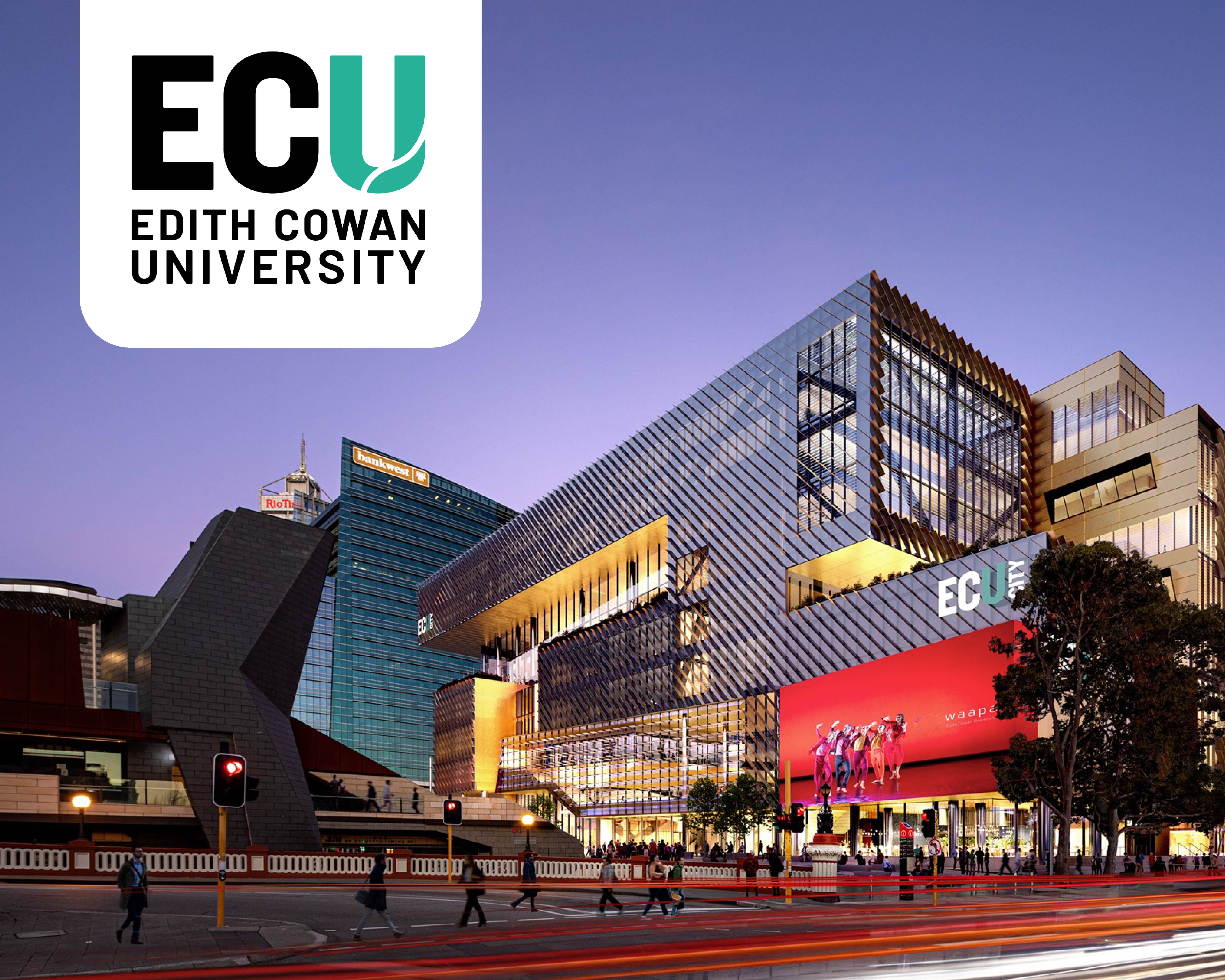
EQC and Edith Cowan University Pathway, Showing campus location.
Edith Cowan
University

Up to 1 year of credit (120 credit points) towards eligible Bachelor courses, subject to ECU's assessment of your application.

EQC and Griffith University Pathway, Showing the Griffith Uni Campus location
Griffith
University

Assessed case by case by Griffith University. We will support you with your application.
Start now – pay no upfront fees with a VET Student Loan
VET Student Loans
VSL Website
Eligibility Requirements

To access a VET Student Loan for this course, you must: 

i. Be an Australian citizen, a permanent humanitarian visa holder usually resident in Australia, a Pacific Engagement visa holder usually resident in Australia, or a qualifying New Zealand Special Category visa holder;
ii. Be academically suited to the course — shown through a Year 12 certificate (Senior Secondary Certificate of Education), an AQF Certificate IV or higher qualification, or by achieving the required level in our approved language, literacy and numeracy assessment (full details in our Student Entry Procedure);
iii. Hold a Unique Student Identifier (USI);
iv. Have HELP balance remaining;


VSL Fee Periods and Census Dates 2026

The Essentials

VSL Statement

Equinim College trading as EQC Institute of Technology (RTO 45758). EQC Institute of Technology CRICOS 03952E. A VET Student Loan will not be approved for students who do not meet the eligibility requirements. A VET Student Loan gives rise to a VETSL debt that continues to be a debt due to the Commonwealth until it is repaid. VET Student Loans information, eligibility, fees, census days and our published procedures are available on the website.
What Are Census Dates?
Your tuition fees are spread evenly across [3] sequential fee periods, each containing a census day — so your debt builds gradually as you progress, not all at once. The unit fees and census days for this course are published on our website. A census day is your deadline to change your mind without cost. If you withdraw from a unit on or before its census day, you will not incur a VETSL debt for that unit, and any tuition fees you’ve paid up front for it will be refunded. After the census day, you’re liable for that unit’s fees. If you are eligible for a subsidy, the South Australian Government pays a training subsidy to EQC Institute as you complete the units in your course. Our friendly team will assist you to determine your eligibility and complete your enrolment as simply as possible.

VSL Enrolment Steps

From here to enrolled — your six steps
1.    Check your eligibility — the criteria above, plus our entry requirements in the Student Entry Procedure on our website.
2.   Apply to enrol — submit your application with your evidence of identity, citizenship or residency, and academic suitability.
3.   Complete your entry assessment — if you’re relying on an LLN assessment, we’ll arrange it and give you your results promptly.
4.   Enrol — before you enrol we’ll give you full written information about your fees, the loan and your rights; once enrolled you’ll receive your Statement of Covered Fees and Fee Notice. Fees listed as covered by your loan can never be charged to you personally.
5.    Apply for your VET Student Loan — we set up your eCAF and the system emails you your login. Complete and submit it no earlier than 2 business days after you enrol, and by 11:59 pm AEST on or before the census day of the first unit you want the loan to cover.
6.    Start studying. During your course you’ll confirm you’re still studying via short progression forms (about every 4 months) —completing them keeps your loan active. Before each census day you’ll get a Fee Notice showing exactly what you’re being charged, and within 28 days after each census day, a Commonwealth Assistance Notice confirming your loan amount and debt. If anything in a notice is wrong, you have the right to have it corrected.

Course Breakdown
6 Subjects
Subject 1: Operating Systems and Virtualisation
What You'll Learn:
Work confidently across Linux and Windows operating systems using both graphical interfaces and command-line tools
Create, configure and manage virtual machines using industry-standard virtualisation technologies
Launch and administer cloud-based virtual servers using AWS EC2
Configure operating system users, permissions, storage, services and network settings
Use remote administration tools such as SSH and Remote Desktop to manage systems securely
Troubleshoot operating system, resource and virtual machine performance issues in real cloud environments
Subject 2: Cloud Networking
What You'll Learn:
Understand how cloud traffic moves across the TCP/IP and OSI networking models
Build secure AWS networks using VPCs, public and private subnets, route tables and internet gateways
Control network access using security groups, network access control lists and firewall rules
Configure DNS records, including A, CNAME, MX and TXT records, to connect domains with cloud services
Diagnose cloud networking issues using traffic analysis, connectivity testing and monitoring tools
Establish secure private connectivity using VPNs, NAT gateways and encrypted network connections
Subject 3: Cloud Architecture
What You'll Learn:
Design scalable, secure and highly available cloud environments using AWS architecture principles
Select the right cloud services for computing, storage, databases, networking and application delivery
Build serverless applications using AWS Lambda, API Gateway and DynamoDB
Design reliable systems across multiple availability zones to reduce downtime and service disruption
Apply the AWS Well-Architected Framework to security, reliability, performance, cost and operations
Create cloud architecture diagrams and technical solutions that respond to real business requirements
Subject 4: Webscale and Hosting
What You'll Learn:
Deploy and host live websites and applications in production-ready cloud environments
Package applications using Docker, store container images in ECR and deploy them through ECS and Fargate
Configure domains, DNS, SSL certificates and HTTPS for secure public application access
Scale applications using load balancing, caching and Auto Scaling technologies
Improve global website performance using Cloudflare CDN, caching rules and traffic optimisation
Manage application deployments, hosting environments and updates using repeatable industry workflows
Subject 5: Privacy and Cyber Security
What You'll Learn:
Secure cloud environments using IAM users, groups, roles and least-privilege access policies
Protect cloud data using encryption at rest, encryption in transit and secure key management
Configure secure EC2 instances, S3 storage, networks and application access controls
Defend cloud applications using firewalls, web application protection and DDoS mitigation services
Record and review activity using CloudTrail, access logs and security monitoring tools
Apply Australian privacy, cyber security and data protection requirements to cloud business environments
Subject 6: Cloud Operations
What You'll Learn:
Monitor cloud infrastructure using CloudWatch metrics, logs, alarms and operational dashboards
Troubleshoot application, server, networking and cloud service issues using real diagnostic data
Configure automated scaling to maintain performance as application demand changes
Manage cloud budgets, billing alerts, resource usage and cost optimisation strategies
Implement backups, recovery procedures and disaster recovery plans for critical cloud systems
Maintain reliable cloud environments using documentation, operational procedures and continuous improvement practices
Cloud Computing Course FAQ's
What are the course subjects?

S01: Operating Systems and Virtualisation
S02: Cloud Networking
S03: Cloud Architecture
S04: Webscale and Hosting
S05: Privacy and Cyber Security
S06: Cloud Operation

What are the units?

We’ve made your units very easy to study by grouping them under subjects, so you have less doubling up and your study is more efficient  and meaningful. The elective units have been set for you to fit the Cloud Engineering & Architecture Specialisation.

CORE UNITS

BSBCRT512
Originate and develop concepts
BSBXCS402 Promote workplace cyber security awareness and best practices
BSBXTW401
Lead and facilitate a team
ICTICT517 Match ICT needs with the strategic direction of the organisation
ICTICT532 Apply IP, ethics and privacy in ICT environments
ICTSAS527 Manage client problems

ELECTIVE UNITS
ICTCLD502
Design and implement highly-available cloud infrastructure
ICTCLD504
Improve cloud-based infrastructure
ICTCLD503
Implement web-scale cloud infrastructure
ICTCLD501
Develop cloud disaster recovery plans
ICTCLD505
Implement cloud infrastructure with code
ICTCLD506
Implement virtual network in cloud environments
ICTCLD507
Build and deploy resources on cloud platforms
ICTCLD508
Manage infrastructure in cloud environments
ICTCLD513
Develop cloud-based microservices architecture using containers
ICTCLD514
Create and test cloud-based serverless applications
ICTCLD509
Manage cloud identity and access
ICTCLD511
Protect cloud infrastructure and data
ICTNWK420
Install and configure virtual machines
ICTICT424
Address cyber security requirements

What kind of work could I do when I graduate?

On completion of the course, you will have practical skills in cloud infrastructure, virtualisation, networking, hosting, cyber security and cloud operations. These skills can support pathways into roles such as Cloud Support Technician, Cloud Engineer, Systems Administrator, Network Technician, Infrastructure Support Officer or Junior Cloud Architect.

Cloud computing skills are used across almost every industry, including:

Finance & Insurance: supporting secure cloud environments, online banking systems, data storage and business continuity solutions.

Healthcare: maintaining cloud-based patient systems, telehealth platforms, secure data environments and digital health services.

Retail & E-Commerce: supporting online stores, payment systems, customer databases and scalable web hosting infrastructure.

Education: managing cloud-based learning platforms, student systems, virtual classrooms and digital collaboration tools.

Government: supporting secure cloud infrastructure, digital public services, data management and information security.

Technology & Software: deploying applications, managing virtual environments, supporting web hosting and maintaining cloud-based systems.

Telecommunications: assisting with cloud networking, infrastructure monitoring, data services and large-scale system operations.

Media & Entertainment: supporting streaming platforms, digital content storage, online services and high-traffic applications.

Manufacturing & Logistics: maintaining cloud-based inventory systems, supply chain platforms, connected devices and operational data.

Cyber Security: protecting cloud environments, managing access controls, monitoring systems and supporting privacy and compliance requirements.

Are there any entry requirements?

There are no prior qualifications required before entering this Diploma.

As part of assessing your suitability to study the course, the College will be required to assess your LLND (Language, Literacy, Numeracy, and Digital skills), academic suitability and study load capacity. The College reserves the right to cancel an enrolment application if the suitability requirements are not achieved.

Apply to see if you are eligible:

Let us know if you are interested in our courses and our team will contact you with further information.

Initial Application

Thank you! Your submission has been received!
Oops! Something went wrong while submitting the form.

Our campuses across Australia

EQC Institute has campuses in seven cities, where students learn, connect with educators and build practical technology skills. Select a city for campus details, transport information and available support.

At EQC Institute we appreciate the importance of creating an environment where students can enjoy, prosper and grow together. As such, we have taken a proven by research approach in how we set up every space.


Map of Australia with EQC campuses markers. Campuses are in Sydney, Brisbane, Melbourne, Perth, Adelaide, Newcastle, Launceston and Townsville
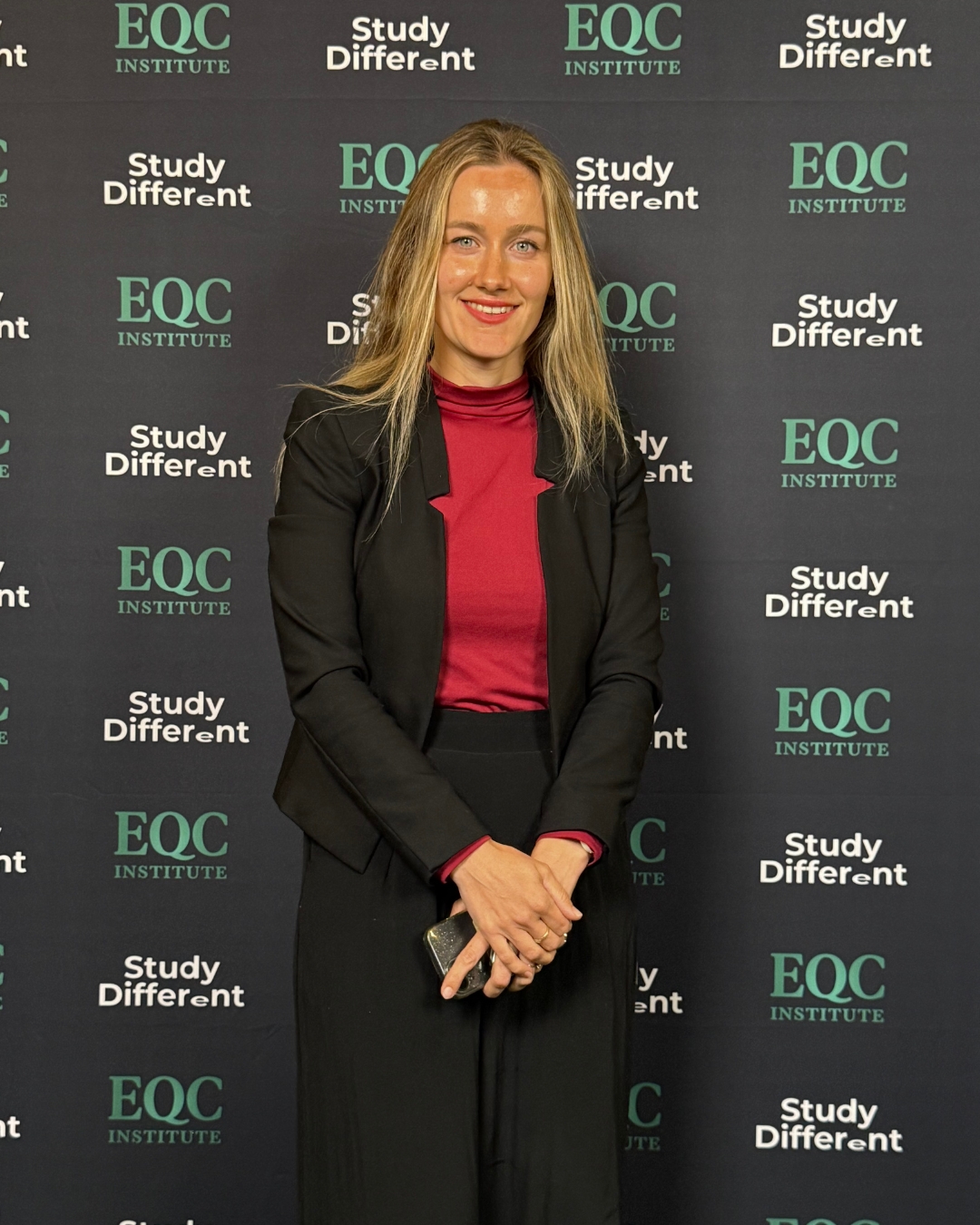
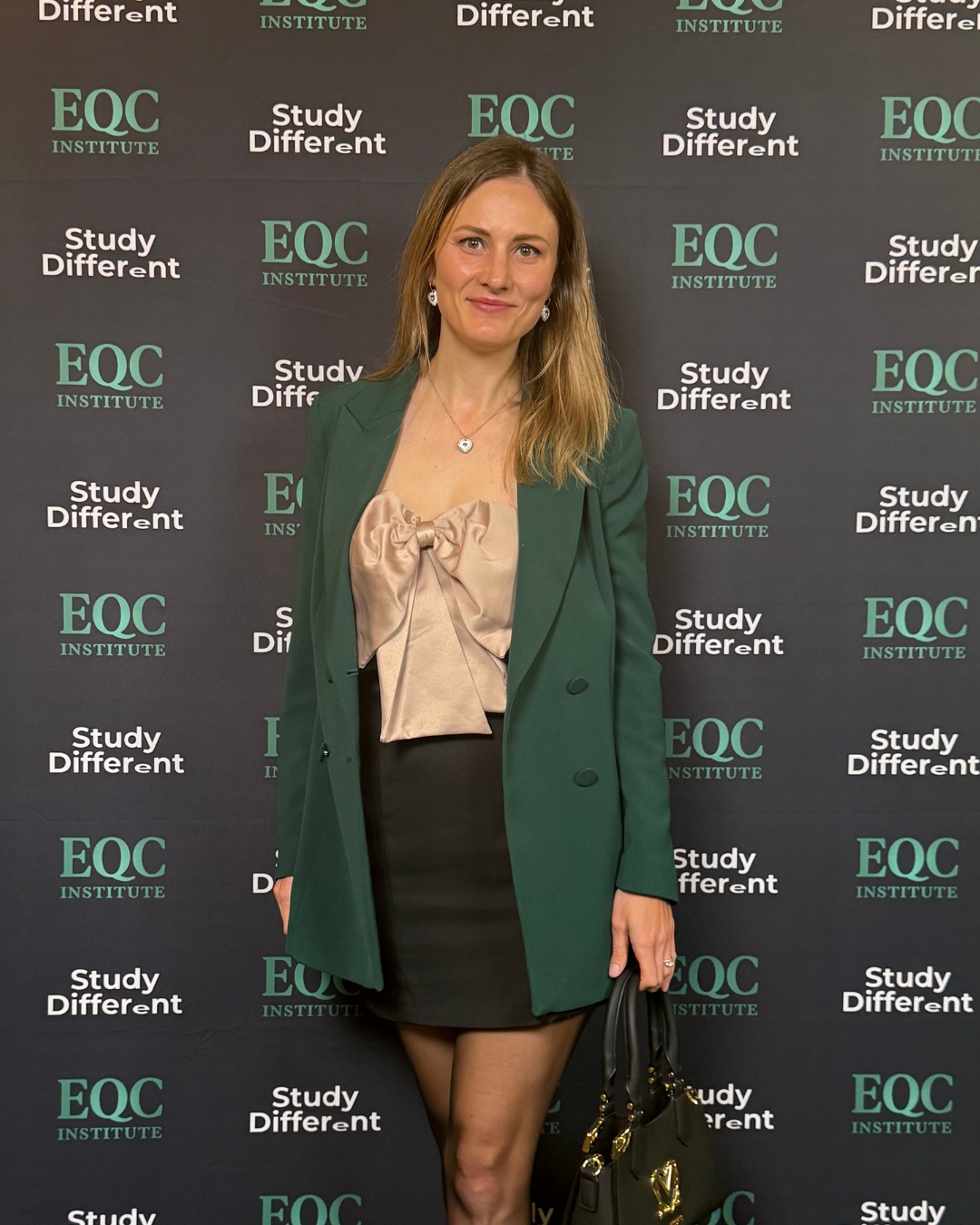
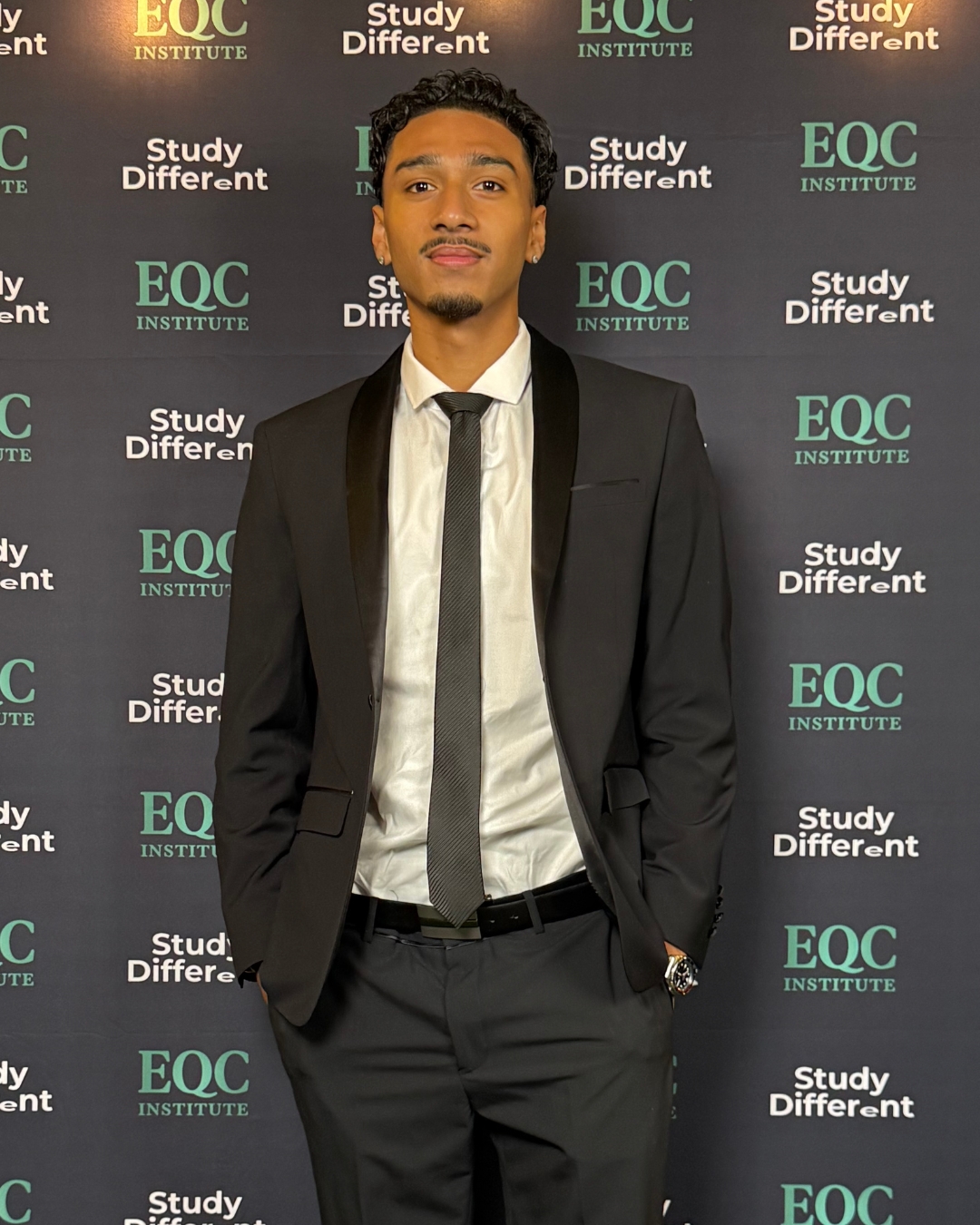
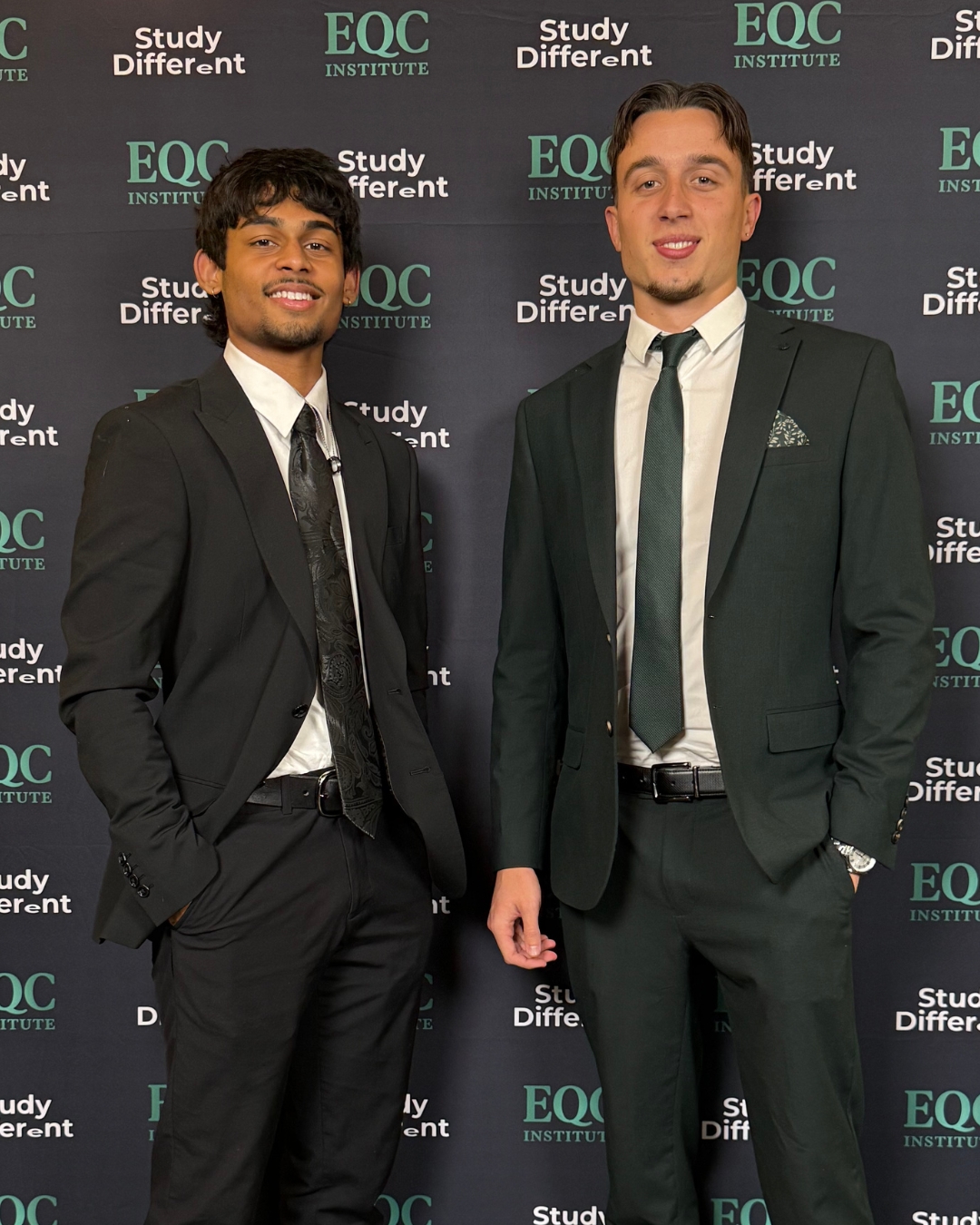
EQC Institute graduate portraitTwo EQC Institute graduates in suits at the EQC graduation event
EQC Institute graduate wearing a graduation sashEQC Institute graduate at the EQC graduation event
EQC Institute graduate wearing a graduation sash
EQC Institute graduate at the EQC graduation event
EQC Institute graduate in a suit at the EQC graduation event
EQC Institute graduate celebrating with a guest at graduation
EQC Institute graduate portrait
EQC Institute Class of 2025 graduate with a guestEQC Institute graduate portrait
EQC Institute graduate at work in an IT officeEQC Institute graduate at the EQC graduation event

Photos of Real Graduates

Join our Graduate Community
Minimalist digital illustration of a woman with short dark hair, wearing a mustard jogging suit, holding a small pink heart in her hand.
Apply to see if you are eligible:

Let us know if you are interested in our courses and our team will contact you with further information.

Initial Application

Thank you! Your submission has been received!
Oops! Something went wrong while submitting the form.
Frequently Asked Questions
What tech tools do you teach?

Modern, up to date and relevant ones.

We teach you tools you will need to use in the industry. Once you learn one tool, it's easier to learn the next.

Experts or Newbies?

We have courses for everyone and every skill level.

Starter courses, Advanced Courses, Accredited professional development and Nationally recognised qualifications for people of all skill and interest level.

How fast can I learn?

The speed of light is our cap. You can complete these courses and learn the same quality of information fast. We believe you need to learn the quality of education but shouldn't be punished for being fast and excellent.

Our team has been involved in the adult education industry since 1999 and understands the balance between quality, engagement and modernisation.

What are my trainers like?

Your trainers have been handpicked by our team to fit a certain critera:

1. Genuine passion for education
2. Expert in their field
3. Excellent communication skills

These 3 things plus our training makes your student experience the best possible.